
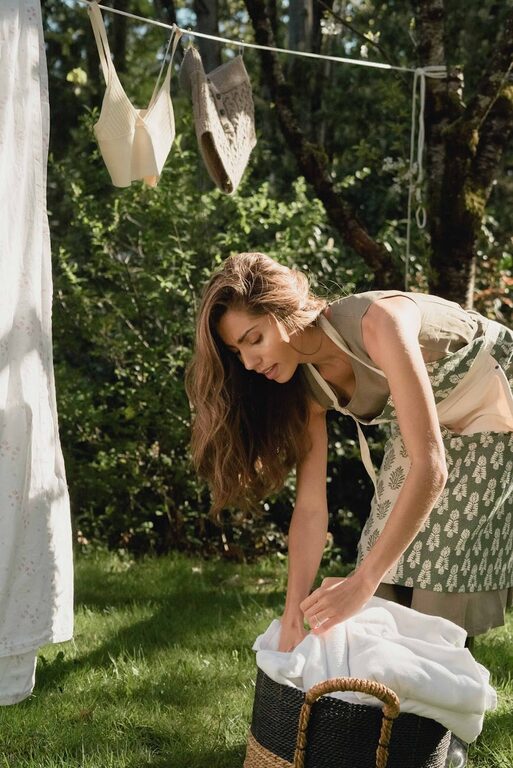
Caring for your clothes properly not only keeps you looking sharp but also helps extend the life of your favorite items. With a few mindful habits, you can save money, reduce waste, and enjoy wearing your garments longer. Whether it’s everyday essentials or special pieces, gentle care goes a long way. Here are practical tips to help you care for your clothes and keep them in great condition.
Understand Fabric Types
Different fabrics require different care. Always check the care label before washing or drying any garment. Common fabrics include cotton, wool, polyester, silk, and blends.
– Cotton: Durable but shrinks easily when washed in hot water.
– Wool: Needs gentle washing or dry cleaning to prevent shrinking or felting.
– Polyester: Resistant to shrinking and wrinkles but should still be washed appropriately.
– Silk: Delicate and often requires hand washing or dry cleaning.
Knowing your fabric helps you choose the right washing method and avoid damage.
Wash Clothes Less Often
You don’t need to wash clothes after every single wear. Unless the clothes are visibly dirty or smell bad, simply hanging them to air out can prevent unnecessary washing. Overwashing causes fabric fibers to break down faster.
– Spot clean stains instead of washing the whole garment.
– Rotate your clothes regularly to prevent wear spots.
– Use a garment steamer or iron to refresh clothes between wears.
Use Gentle Detergent and Correct Amount
Choose mild, fragrance-free detergents that are less harsh on fabrics. Strong detergents can cause fading and weaken fibers over time. Also, avoid using too much detergent, as residue can build up and attract dirt.
Tip: Opt for detergents labeled safe for sensitive skin or for delicate fabrics.
Wash Clothes Inside Out
Turning clothes inside out before washing reduces friction on the outer surface, preserving colors and preventing pilling. This is especially effective with jeans, printed tees, and knitwear.
Use Cold Water for Washing
Washing clothes in cold water is gentler on fabrics and colors, and it saves energy. Warm or hot water can cause shrinking, fading, and damage to delicate fibers.
– For most garments, cold water is sufficient.
– Use warm water only when necessary for heavily soiled items or specific stains.
Avoid the Dryer When Possible
The heat from dryers damages fibers, causes shrinkage, and accelerates wear and tear. Whenever possible, air-dry your clothes on a drying rack or clothesline.
– Reshape garments when damp and lay flat to dry for knits and sweaters.
– Hang shirts and dresses on hangers to dry evenly.
– If you must use a dryer, choose a low heat or air-dry setting.
Handle Stains Quickly and Carefully
Treat stains as soon as possible to prevent them from setting. Blot stains gently with a clean cloth instead of rubbing, which can spread and embed the stain deeper.
– Use appropriate stain removers for the type of stain.
– Test stain removers on a hidden area first to avoid discoloration.
Store Clothes Properly
Proper storage protects your clothes from wrinkles, stretching, and pests.
– Use quality hangers that suit the garment type (padded for delicate items, wooden for heavy coats).
– Fold sweaters and knitwear instead of hanging to avoid stretching.
– Keep clothes in a cool, dry place away from direct sunlight to prevent fading.
– Use breathable garment bags for delicate or special clothes.
Avoid Overloading the Washing Machine
Stuffing the washing machine can prevent clothes from getting clean and cause excessive friction that damages fabric. Leave enough space for garments to move freely.
Repair Clothes Promptly
Small repairs such as sewing loose buttons, fixing hems, or mending small tears prevent problems from becoming bigger.
– Keep a basic sewing kit handy for quick fixes.
– Consider professional tailoring for more complex repairs to preserve garment fit and appearance.
Rotate Your Shoes and Clothing
Wearing the same shoes or clothes repeatedly without breaks can cause faster wear. Rotating your items allows them time to air out and recover between wears.
—
By adopting these simple practices, you can keep your wardrobe looking fresh and lasting longer. Not only does this save money, but it also benefits the environment by reducing textile waste. With a little care and attention, your clothes can stay your favorites for many seasons to come.